

 Bar Fridges
13 products
 Drink & Display Fridges
16 products
 Upright Storage Fridges
8 products
 Underbench & Workbench Fridges
12 products
 Prep Fridges
17 products
 FED-X XR200SG 130L Bar Fridge Glass Door – Commercial Display Bar Fridge
$1,252.90 inc. GST
$1,139.00 ex. GST
View product →
 Upright Storage Freezers
9 products
 Glass Door Display Freezers
4 products
 Chest & Island Freezers
4 products
 Underbench & Workbench Freezers
7 products
 Gelato & Ice Cream Displays
4 products
 FED-X 120L Bar Freezer Glass Door - XF200SG
$1,664.30 inc. GST
$1,513.00 ex. GST
View product →
 Blizzard SN-420P Ice Makers Air-Cooled Cube
$3,732.30 inc. GST
 Blizzard SN-700P Air-Cooled Ice Maker
$4,854.30 inc. GST
 Blizzard SN-1000P Air-Cooled Ice Maker
$5,527.50 inc. GST
 Blizzard SN-120P Underbench Ice Maker Air Cooled
$1,937.10 inc. GST
 Blizzard SN-25C Underbench Bullet Ice Maker 25kg
$1,120.90 inc. GST
 Blizzard SN-80C Professional Ice Maker
$3,358.30 inc. GST
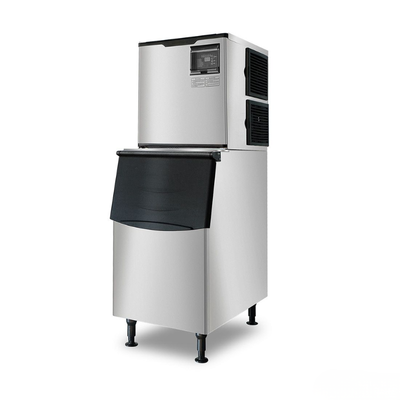 Blizzard SN-420P Ice Makers Air-Cooled Cube – High Output Commercial Ice Machine
$3,732.30 inc. GST
$3,393.00 ex. GST
View product →
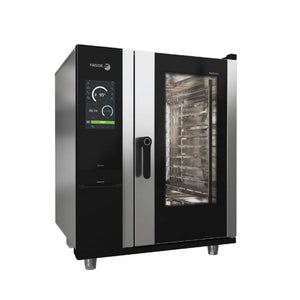 Ovens
17 products
 Convection Ovens
8 products
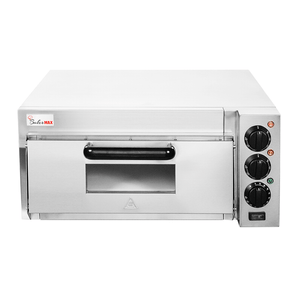 Pizza Ovens
6 products
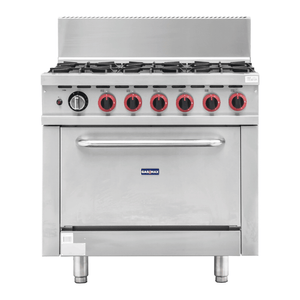 Gas Ranges & Cooktops
4 products
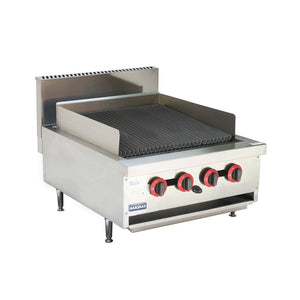 Char Grills
12 products
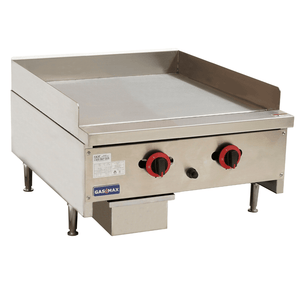 Griddles
13 products
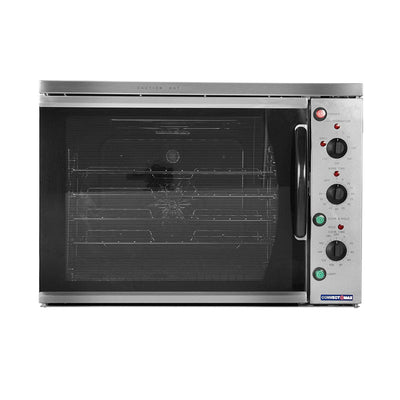 ConvectMax YXD-6A Convection Oven – 4 Tray GN 1/1 Commercial Oven with Grill, 10A
$2,150.50 inc. GST
$1,955.00 ex. GST
View product →
 Cafe
60 products
 Restaurant
101 products
 Bakery
33 products
 Pizzeria
38 products
 Takeaway & Fish and Chips
60 products
 Bar & Pub
29 products
 Butcher & Deli
25 products
 Supermarket & Convenience
22 products
Thermaster
65 products
FED-X
27 products
 Bonvue
15 products
 Fagor
9 products
 Blizzard
10 products
 Gasmax
34 products
 Yasaki
9 products
 Benchstar
5 products

Whether you run a fish and chip shop, a burger bar or a café with a few fried sides, your deep fryer works harder than almost anything else in the kitchen. The right one keeps up with your rush and cooks consistently. The wrong one leaves customers waiting for chips. This guide explains the three main types of commercial fryer, how to size one and what to check before you buy.
Gas
Best for: takeaways, fish and chip shops and busy kitchens
Power: natural gas or LPG
Strength: high output and fast recovery at a sensible price
Electric
Best for: sites without gas, or kitchens moving away from it
Power: usually 3-phase for larger units
Strength: simple to install where gas isn't available
Induction
Best for: cafés, food trucks and energy-conscious kitchens
Power: from a 15A plug up to 3-phase
Strength: very efficient, precise digital temperature control
Gas fryers are the most common choice for takeaways and fish and chip shops because they combine big output with fast recovery, the speed at which the oil gets back to temperature after you drop in a basket of frozen chips.
The GasMax Superfast RC300E, RC400E and RC500E are tube fryers: the burners heat tubes that run through the oil, leaving a cooler zone underneath where crumbs settle instead of burning. They're rated at 25kg, 35kg and 43kg of chips per hour respectively, and each comes in natural gas or LPG.
The Gasmax V Pan VP122 is an open-pot design with a 22 litre tank and a cold zone. With no tubes in the way, the pot is easy to wipe out and clean.
Electric fryers heat the oil with elements sitting in the tank. They suit kitchens with no gas supply, shopping centre tenancies that restrict gas, and businesses planning to go all-electric.
The Frymax EF-28LE holds 28 litres of oil and runs on 415V 3-phase power, so it can handle high-volume frying without a gas connection.
Induction fryers use a magnetic field to heat the tank directly, so very little energy is wasted. They heat up quickly, hold a set temperature tightly and are controlled by a digital panel, which makes them easy for any staff member to use consistently.
BenchStar induction fryers are rated at 90% energy efficiency. The compact BenchStar IF3500S plugs into a 240V 15A outlet, has a 60°C to 190°C temperature range and a built-in timer, making it a neat fit for cafés and food trucks. The IF3500S-AL and double tank IF7000D-AL add automatic basket lifting, so baskets come out of the oil on time even when staff are busy. For bigger kitchens, the Electmax IFS7-30L is a 30 litre, 3-phase induction fryer with a splashback.
Commercial fryers are usually rated by how many kilograms of chips they can cook per hour. Work out how many serves you sell in your busiest hour and roughly how much each serve weighs, then add some headroom so you're not running flat out.
Light use
A few fried sides on the menu. A compact induction fryer or a smaller gas fryer is usually plenty.
Steady trade
Cafés and burger bars with regular chip orders. Look at around 25 to 35kg per hour, like the RC300E or RC400E.
High volume
Fish and chip shops and busy takeaways. Go for 40kg per hour or more, like the RC500E, or run two fryers side by side.
Tip: two smaller fryers can be better than one big one. You can keep chips and seafood in separate oil, and if one fryer is down for cleaning the other keeps you trading.
A tube fryer heats the oil through tubes running across the tank, which gives fast recovery and a cool zone underneath for crumbs. An open pot fryer has no tubes in the tank, so it's quicker to clean.
Induction heats the oil directly, so less energy is lost as heat into the kitchen. BenchStar rates its induction fryers at 90% energy efficiency, which can mean lower running costs compared with conventional fryers.
No. Natural gas and LPG models are set up differently, so order the version that matches your supply.
It depends on how much you fry and what you cook. Filtering regularly and keeping crumbs out of the oil makes it last much longer. Follow the manufacturer's care instructions for your model.
Browse our full range of commercial deep fryers, including gas fryers and electric and induction fryers, with delivery Australia-wide. Not sure which suits you? Email us at sales@supplymykitchen.com.au with your menu, power or gas supply and space, and we'll help you choose.


